
Comprehensive Protein & Joint Health Nutrition Guide
Discover the science-backed strategies to strengthen your joints through proper nutrition. Our editorial team has compiled essential information about protein intake, micronutrient balance, and lifestyle factors that support long-term joint wellness.
The information on this site is for educational purposes only and does not constitute medical advice. Always consult a qualified healthcare professional before making health decisions.
Key Features of Effective Joint Nutrition
Complete Protein Profile
Quality protein sources contain all nine essential amino acids needed for joint tissue repair and muscle maintenance. Our guide explores complete proteins from both animal and plant-based sources, helping you build a balanced dietary approach that supports cartilage elasticity and connective tissue strength.
Anti-Inflammatory Nutrients
Omega-3 fatty acids, antioxidants, and polyphenols play crucial roles in joint wellness. Learn how foods rich in these compounds—including fatty fish, berries, leafy greens, and nuts—contribute to a balanced nutritional foundation that supports your body's natural processes.
Collagen & Cartilage Support
Collagen is a structural protein essential for joint flexibility. Our resource explores how vitamin C, gelatin, bone broth, and specific amino acids like glycine and proline work together to support the integrity of cartilage and joint structures through evidence-based nutrition strategies.
Mineral Balance & Hydration
Calcium, magnesium, zinc, and phosphorus are vital minerals for bone and joint health. Proper hydration ensures synovial fluid production and nutrient transport. Discover how to maintain optimal electrolyte balance and fluid intake as cornerstone elements of your joint support nutrition plan.
Personalized Nutrition Approach
Individual nutritional needs vary based on age, activity level, and body composition. This guide helps you assess your personal requirements and adjust protein intake, micronutrient timing, and food choices to create a sustainable, evidence-informed nutrition strategy tailored to your lifestyle.
Evidence-Based Education
Our content draws from peer-reviewed nutrition research and scientific literature on joint health. Learn how to critically evaluate nutritional claims, understand bioavailability of nutrients, and make informed dietary decisions based on current nutritional science and established guidelines.
Why Protein Matters for Joint Recovery
Protein is not just for muscle building—it is fundamental to every aspect of joint health. Your connective tissues, cartilage, and synovial fluid all depend on adequate amino acid supply. Protein synthesis is the process by which your body builds and repairs these structures, making consistent dietary protein intake a cornerstone of any joint-focused nutrition strategy.
The challenge for many people is determining how much protein is appropriate, which sources work best for their lifestyle, and how to time protein intake throughout the day. This guide breaks down practical strategies based on your activity level, age, and personal goals—helping you move beyond vague recommendations to create a concrete, sustainable protein plan.
Supports Muscle Stability
Strong muscles around joints provide natural support and reduce stress on connective tissue.
Enables Tissue Repair
Amino acids are the building blocks your body uses to maintain and regenerate cartilage structure.
Enhances Nutrient Transport
Protein carries essential minerals and vitamins to joint structures throughout your body.
Maintains Body Composition
Adequate protein helps preserve lean muscle mass, which is critical for joint support as we age.
Four-Week Joint Health Nutrition Transformation
Week 1: Baseline Assessment & Hydration Boost
Begin by tracking your current protein intake and water consumption. Most people underestimate both. Aim to increase daily water intake to at least 8-10 glasses and start noting what protein sources you currently eat. This week focuses on establishing baseline awareness without major dietary changes, allowing your body and mind to prepare for the nutrition transition ahead.
Week 2: Protein Integration & Micronutrient Focus
Calculate your personal protein requirement based on body weight and activity level (typically 1.2-2.0 grams per kilogram). Introduce high-quality protein sources at each meal—fish, lean poultry, eggs, legumes, or Greek yogurt. Simultaneously, begin adding colorful vegetables and fruits rich in antioxidants. This week establishes the nutritional foundation while you adapt to the new eating patterns.
Week 3: Omega-3 Enhancement & Mineral Balance
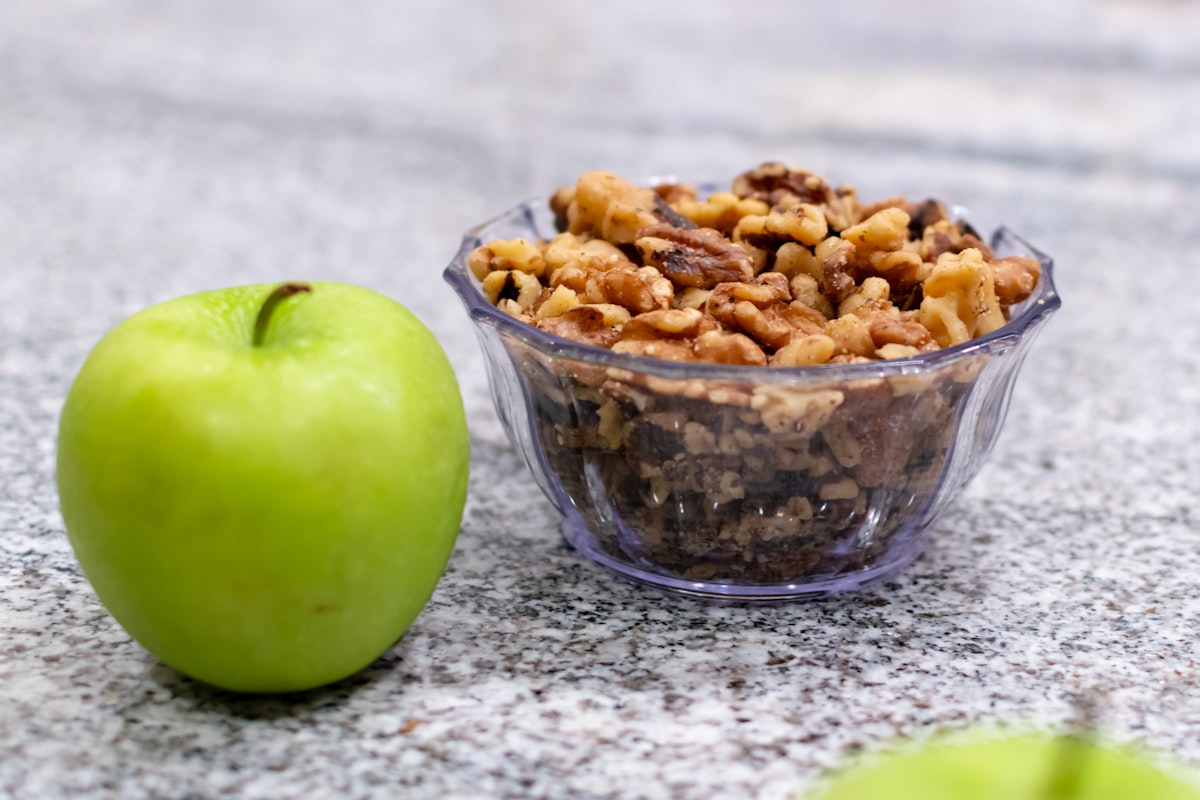
Increase omega-3 rich foods—fatty fish like salmon or sardines at least twice weekly, along with flaxseeds, chia seeds, and walnuts. Ensure adequate mineral intake through dairy, leafy greens, nuts, and seeds. Your body should now be adapting well to increased protein; use this week to fine-tune micronutrient balance and notice how different foods affect your energy and joint comfort throughout the day.
Week 4: Sustainability & Long-Term Strategy
Consolidate your new nutrition habits into a sustainable, personalized plan. Identify your favorite protein sources, optimal meal timing, and micronutrient combinations that make you feel best. Plan a week of meals to ensure you can maintain these patterns indefinitely. This week emphasizes creating a realistic, long-term nutrition approach rather than a temporary change—the foundation for lasting joint health.
Protein-Rich Foods for Healthy Joints

Fatty Fish (Salmon, Mackerel)
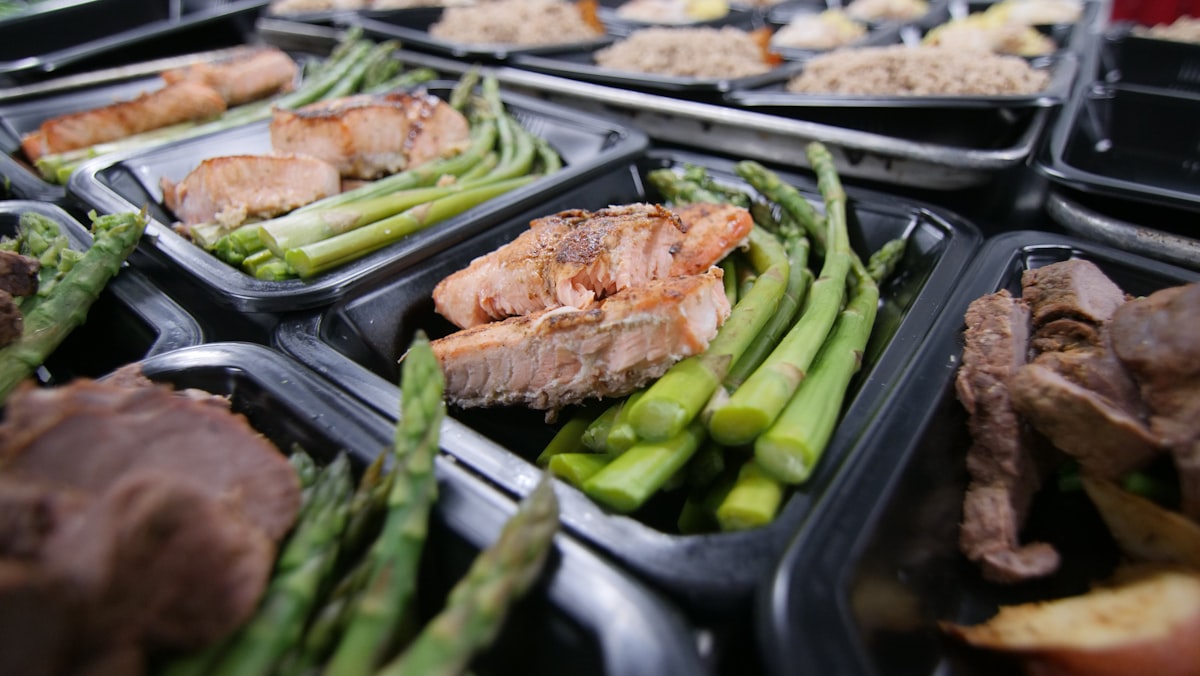
Provides complete protein plus EPA and DHA omega-3 fatty acids. These nutrients support collagen integrity and help maintain healthy joint structures.
Eggs (Whole & Whites)
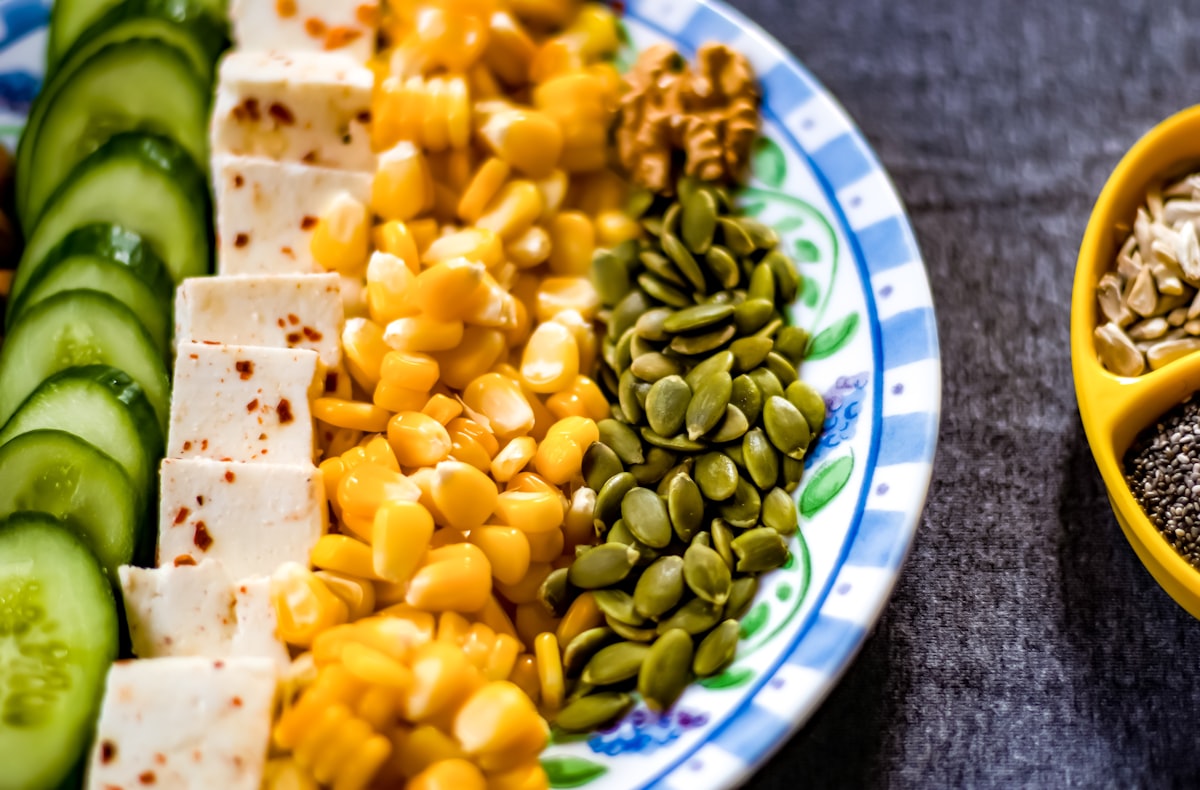
Complete protein containing all nine essential amino acids. Egg yolks provide choline, which supports cartilage structure and brain-joint connection.

Lean Poultry (Chicken, Turkey)
Low-fat protein source that builds and maintains muscle for natural joint support. Contains B vitamins essential for protein metabolism and energy.
Greek Yogurt & Dairy
Rich in protein and calcium for bone and joint health. Probiotics support gut health, which influences overall nutrient absorption and wellness.

Legumes (Lentils, Beans)
Plant-based complete proteins when combined with whole grains. High in fiber and micronutrients; support joint health while promoting digestive wellness.

Bone Broth & Collagen
Rich in collagen, gelatin, and amino acids like glycine and proline. Traditional food that directly provides the building blocks for cartilage integrity.
Frequently Asked Questions About Joint Nutrition
How much protein do I actually need daily?
General recommendations suggest 0.8 grams per kilogram of body weight, but for joint health and muscle maintenance, aim for 1.2-2.0 grams per kilogram depending on your activity level. A 70-kilogram person might target 84-140 grams daily. Age, fitness routine, and recovery goals all influence your personal requirement. Consider consulting with a nutrition professional for personalized guidance.
Can plant-based proteins support joint health as well as animal proteins?
Yes, when properly combined. Plant proteins become complete when you mix legumes with whole grains—like lentils with brown rice. They provide amino acids, fiber, and phytonutrients that support overall joint wellness. The key is variety and combining different plant sources to ensure all nine essential amino acids are covered throughout your day.
What role does water play in joint health?
Water is essential for synovial fluid production, which lubricates joints and enables smooth movement. Dehydration reduces this protective fluid, increasing stress on joint structures. Aim for half your body weight in ounces daily (a 140-pound person would drink 70 ounces). More in hot weather or during exercise. Proper hydration also helps transport nutrients to joints and removes metabolic waste.
Is timing of protein intake important?
While the "anabolic window" is less critical than once thought, spreading protein throughout the day—roughly 25-35 grams per meal—optimizes muscle protein synthesis. Consuming protein with carbohydrates and healthy fats improves absorption and sustained energy. Post-exercise protein intake (within a few hours) does support muscle recovery and joint support when combined with resistance or endurance activity.
Which vitamins and minerals are most critical for joints?
Vitamin C supports collagen synthesis; calcium and phosphorus maintain bone density; magnesium enables muscle function; zinc aids protein metabolism; and vitamin D improves mineral absorption. Omega-3 fatty acids reduce inflammatory markers. Rather than focusing on individual nutrients, eat a diverse diet—leafy greens, fatty fish, nuts, seeds, whole grains, and colorful vegetables—to cover all essential micronutrients naturally.
What foods should I avoid or limit for joint wellness?
Ultra-processed foods high in seed oils, added sugars, and artificial additives may increase inflammatory markers. Excessive alcohol can interfere with nutrient absorption and hydration. Highly fried foods introduce oxidative stress. Rather than strict elimination, focus on whole, minimally processed foods as your foundation. Balance is key—occasional treats won't derail your nutrition plan, but consistency with nutrient-dense choices compounds benefits over time.
Science-Backed Protein Recommendations
Protein per kilogram of body weight daily for joint and muscle support
Optimal protein per meal for muscle protein synthesis activation
Daily water intake for synovial fluid production and nutrient transport
Evidence-Based Guidance
Protein Quality Matters
Amino acid profile completeness and digestibility influence effectiveness. Whey, fish, eggs, and legumes all score high on quality metrics. Variety ensures you receive diverse micronutrients alongside protein—different foods provide different B vitamins, minerals, and bioactive compounds.
Collagen and Gelatin Research
Studies suggest collagen peptides and gelatin may support cartilage structure when combined with vitamin C and consistent resistance activity. The specific amino acids (glycine, proline ) in collagen may promote proteoglycan synthesis. However, whole-protein sources remain foundational—collagen supplementation works best alongside adequate total protein intake.
Supplements & Key Micronutrients
Vitamin C & Collagen Formation
Vitamin C is essential for hydroxylation of proline and lysine in collagen. Without adequate C intake, collagen cross-linking is compromised. Aim for 75–90 mg daily from citrus, berries, and leafy greens, or targeted supplementation if intake is low.
Glucosamine & Chondroitin
Mixed evidence supports these compounds, particularly for knee osteoarthritis. Some studies show modest symptom relief, especially in combination with movement and adequate protein. Quality varies widely; choose standardized, third-party tested products.
Omega-3 Fatty Acids
EPA and DHA from fish oil or algae may reduce joint inflammation and support cartilage health. A dose of 1–3 grams daily (combined EPA+DHA) is commonly recommended. Consistency matters more than high doses.
Minerals: Calcium, Magnesium & Zinc
These minerals support bone density, collagen synthesis, and immune function. Whole foods (dairy, nuts, seeds, shellfish) are ideal. Supplementation may help if dietary intake is insufficient—consult a professional for personalized dosing.
Pro Tip: Before starting any supplement regimen, consult your healthcare provider. Some supplements interact with medications, and individual needs vary. Quality, consistency, and whole-food foundation matter far more than trendy formulations.
Movement, Hydration & Lifestyle
Resistance Training & Low-Impact Activity
Strength training builds muscle around joints, improving stability and load distribution. Swimming, cycling, and walking maintain cartilage nutrition through synovial fluid movement. Aim for 150 minutes moderate activity weekly plus 2–3 resistance sessions. Proper form prevents injury and maximizes benefit.
Hydration & Cartilage Health
Cartilage is 70–80% water. Adequate hydration supports nutrient transport and maintains cartilage matrix integrity. Drink at least 8–10 glasses of water daily, more if you exercise. Electrolytes (sodium, potassium) help retain fluid, especially around workouts.
Sleep & Recovery
Growth hormone and tissue repair peak during deep sleep. Aim for 7–9 hours nightly in a cool, dark room. Poor sleep impairs immune function and increases inflammation—directly affecting joint health. Recovery is when adaptation happens.
Inflammation Management
Chronic inflammation accelerates cartilage breakdown. Manage stress through meditation, yoga, or time in nature. Avoid prolonged sitting. Anti-inflammatory foods (fatty fish, berries, green tea) and adequate sleep naturally modulate immune response. Consider ice or heat therapy post-activity as needed.
Frequently Asked Questions
How much protein do I really need for joint health?
General guidance is 0.8–1.0 grams per pound of body weight for active individuals, or 1.2–2.0 grams per kilogram. For joint support combined with strength training, aim for the higher end (especially post-40). Distribute intake across meals for optimal muscle protein synthesis.
Can I reverse cartilage damage through nutrition alone?
Cartilage has limited blood supply and regenerative capacity. Nutrition optimizes what remains and may slow further degradation, but cannot fully restore severely damaged cartilage. Early intervention—when damage is minimal—yields best results. Professional medical evaluation is essential for advanced degeneration.
Are collagen supplements worth the cost?
Collagen peptides offer specific amino acids and are convenient, but whole-protein sources (meat, fish, eggs, dairy) provide similar amino acids plus additional nutrients at often lower cost. Collagen is valuable as part of a comprehensive strategy, not a substitute for foundational nutrition and movement.
How long before I notice joint health improvements?
Collagen turnover takes weeks to months. You may notice reduced stiffness in 2–4 weeks, but structural improvements require 8–12 weeks minimum. Consistency matters—sporadic effort yields sporadic results. Combined with movement and sleep, results compound over time.
Should I avoid certain foods for joint health?
Focus on adding anti-inflammatory foods rather than strict avoidance. Excessive sugar and processed oils promote inflammation—moderate intake rather than eliminate entirely. Some people report nightshade sensitivity (tomatoes, peppers); keep a food journal if concerned. Individual tolerance varies; work with a registered dietitian for personalized guidance.