
Protein and Joint Health Nutrition Guide
Discover the science-backed nutrition strategies that support your joint function and overall mobility. Your complete resource for understanding protein's role in maintaining healthy joints.
The information on this site is for educational purposes only and does not constitute medical advice. Always consult a qualified healthcare professional before making health decisions.
Why Nutrition Matters for Joint Health
Essential amino acids rebuild and repair joint cartilage and connective tissues throughout your body.
Proper nutrition supports flexibility and range of motion, keeping your joints functioning optimally.
Targeted nutrients reduce inflammation and promote faster recovery from physical activity.
A comprehensive nutrition plan addresses all aspects of joint wellness for long-term health.
Understanding Protein's Role in Joint Function
Your joints rely on a complex network of connective tissues, cartilage, and muscles. Protein serves as the building block for collagen, the primary structural component in joint cartilage. Without adequate protein intake, your body cannot maintain or repair these critical structures.
Beyond structural support, amino acids from protein help regulate inflammatory responses within joints. This is particularly important for maintaining comfort during daily activities and exercise. Quality protein sources also provide micronutrients like copper and zinc, which support the production of joint-protective compounds.
The timing and type of protein you consume throughout the day directly impacts your body's ability to synthesize new joint tissues and respond to activity-related wear and tear. Our guide helps you understand how to optimize your protein intake for maximum joint health benefits.
Read Our Guide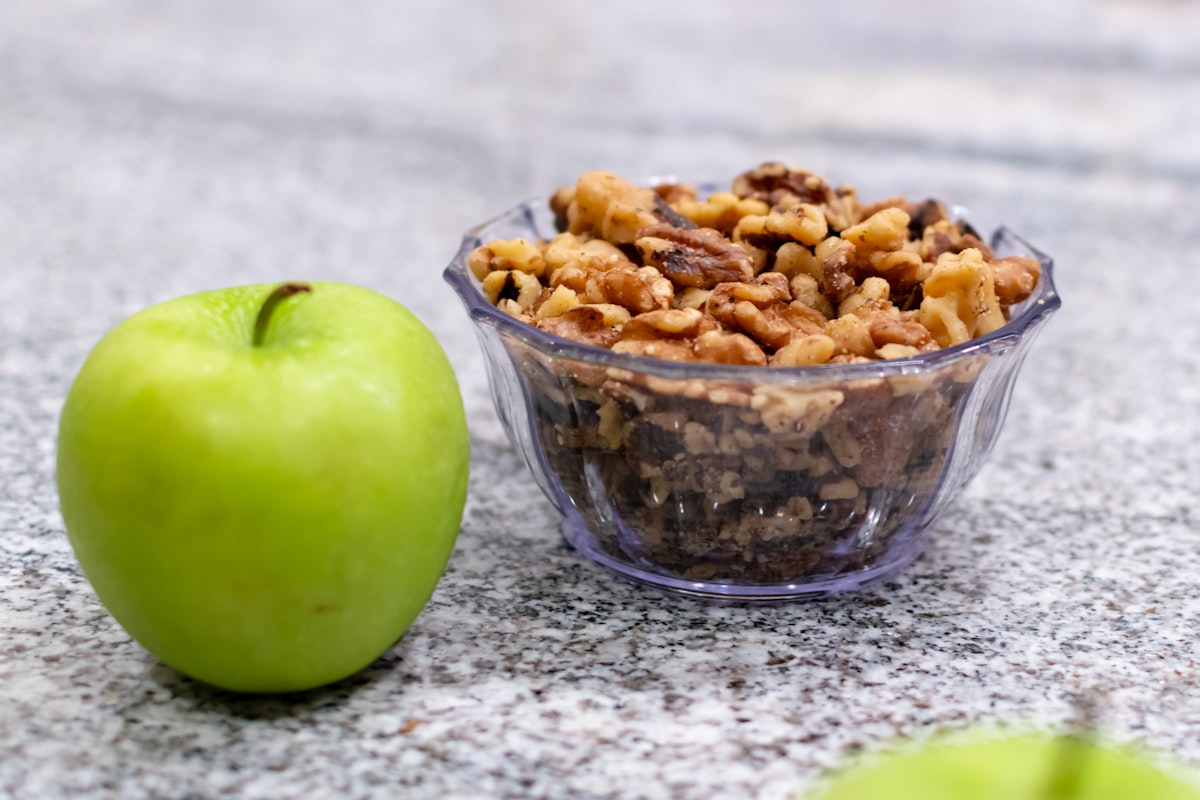
Essential Protein Sources for Joint Support

Fish and Seafood
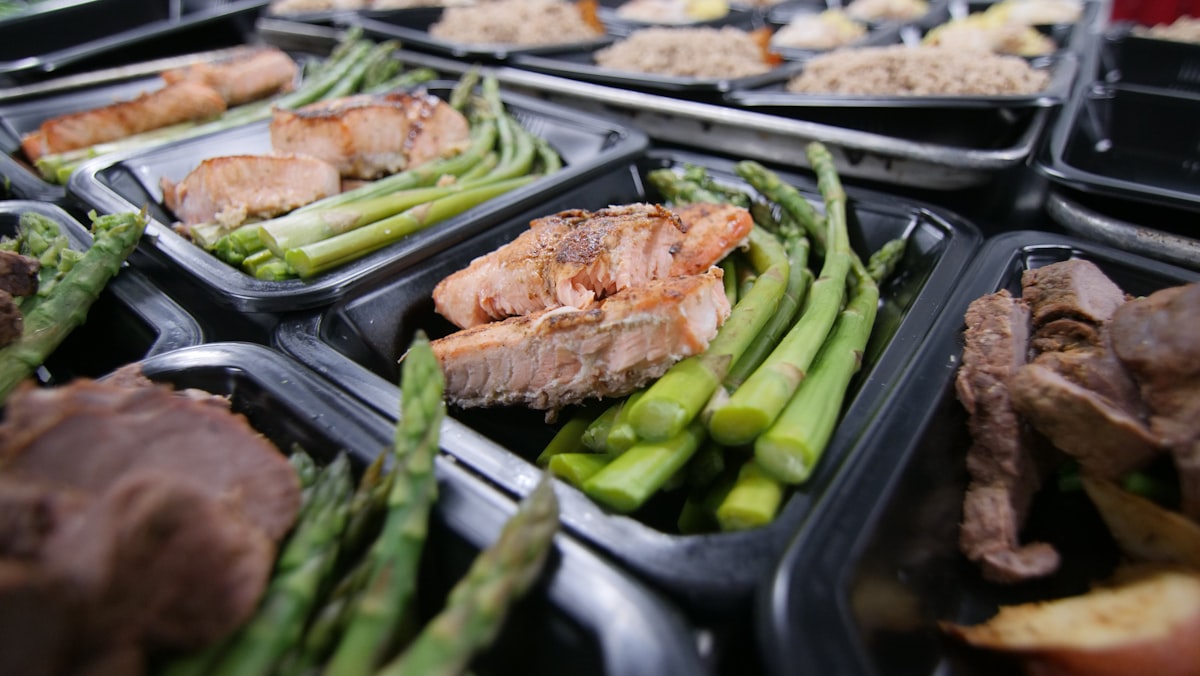
Rich in omega-3 fatty acids and high-quality protein. Salmon, mackerel, and sardines provide anti-inflammatory compounds that support joint comfort during movement.
Poultry
Lean chicken and turkey offer complete amino acid profiles with minimal saturated fat. Ideal for daily protein intake while supporting healthy body weight.

Eggs
Complete protein with choline and lutein. Eggs contain all essential amino acids needed for cartilage maintenance and recovery from daily activity.
Legumes
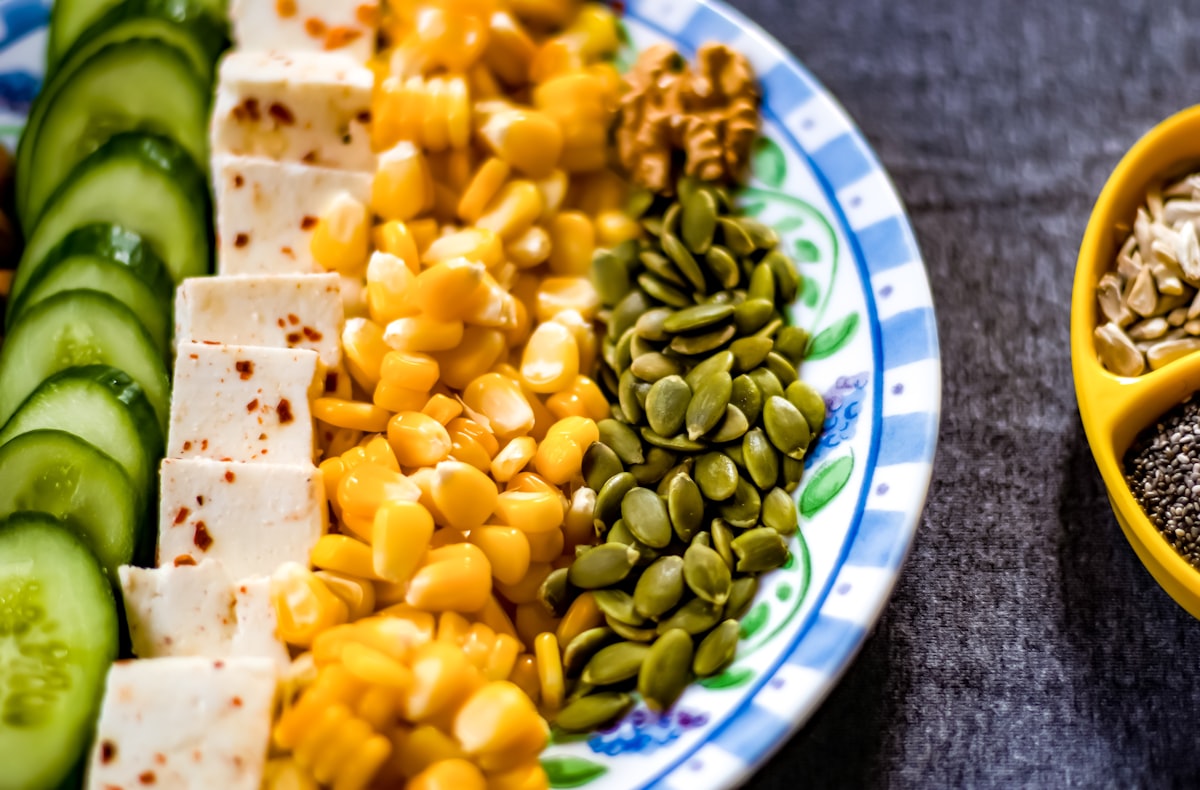
Beans, lentils, and chickpeas provide plant-based protein with fiber. Combine with grains for complete amino acid profiles supporting joint wellness.

Dairy Products
Greek yogurt, cottage cheese, and milk deliver protein plus calcium for structural integrity. Choose options with live cultures for gut health benefits.

Nuts and Seeds
Almonds, walnuts, and pumpkin seeds offer plant protein combined with healthy fats and minerals essential for joint function and recovery.
Your Four-Week Joint Health Transformation
Week One: Foundation
Establish baseline protein intake and identify your current joint support gaps. Track daily protein consumption and assess current activity levels.
Week Two: Optimization
Adjust protein timing around your activities and incorporate diverse protein sources. Begin noticing improvements in mobility and comfort during movement.
Week Three: Integration
Add complementary nutrients like collagen, vitamin C, and omega-3s. Your body begins strengthening connective tissues more visibly.
Week Four: Sustaining
Establish long-term nutrition patterns that support ongoing joint health. Create sustainable meal plans you can maintain indefinitely for lasting benefits.
What Our Community Says
"This guide completely changed how I approach nutrition for my joints. The protein recommendations are practical and backed by real science. Within three weeks of following the suggestions, I noticed significant improvements in my morning stiffness and overall mobility. I've shared this resource with my entire fitness group."
Markéta Nováková 4.9/5
Brno, Czech Republic
"As someone who stays active, understanding the connection between protein timing and joint recovery has been eye-opening. The nutritional framework presented here is comprehensive without being overwhelming. I appreciate how the guide addresses different protein preferences, whether you're omnivore or plant-based. My knees and shoulders feel better than they have in years."
Jan Procházka 5.0/5
Prague, Czech Republic
"I've struggled with joint discomfort for years and tried many approaches. This nutrition guide finally provided the evidence-based information I was looking for. The detailed explanations of how different amino acids support cartilage health made everything click. Combined with the practical meal suggestions, this has become my go-to resource for maintaining long-term joint wellness."
Eva Čermáková 4.8/5
Plzeň, Czech Republic
Frequently Asked Questions
How much protein do I need daily for joint health?
General recommendations suggest 1.2 to 1.6 grams of protein per kilogram of body weight daily, especially if you're physically active. This higher range supports cartilage maintenance and recovery. Individual needs vary based on age, activity level, and fitness goals. Our detailed nutrition guide provides personalized calculation methods.
Can plant-based proteins support joint health as effectively as animal proteins?
Yes, plant-based proteins can absolutely support joint health when properly combined. Individual plant proteins may lack certain amino acids, but combining different sources (legumes with grains, for example) provides complete amino acid profiles. Many plant sources also offer additional anti-inflammatory compounds beneficial for joint function.
When should I consume protein around my workouts?
Consuming protein within one to two hours after exercise supports muscle recovery and joint adaptation to activity stress. Pre-workout protein also helps prepare your tissues for physical demands. Total daily protein intake matters most, but timing around activity provides additional benefit for joint recovery and adaptation.
What other nutrients complement protein for joint support?
Vitamin C, collagen peptides, omega-3 fatty acids, and minerals like zinc and copper all work synergistically with protein to support joint health. Our comprehensive guide explores how to build a complete nutritional framework that addresses all aspects of joint wellness and connective tissue health.
How long before I notice improvements in my joint function?
Initial benefits often appear within two to four weeks of optimized protein intake and comprehensive nutrition. More substantial improvements in comfort and mobility typically develop over eight to twelve weeks. Consistency matters more than immediate results—sustainable nutrition practices provide lasting joint health benefits.
Are there specific protein sources I should avoid?
No protein sources need to be completely avoided, though some choices align better with overall wellness goals. Highly processed protein products may contain additives that don't support optimal health. Focus on whole food sources and high-quality options. Individual tolerance varies—our guide helps you identify what works best for your body and preferences.
Stay Updated with Our Latest Content
Subscribe to receive our latest articles on nutrition science, joint health strategies, and protein optimization tips delivered directly to your inbox.
We respect your privacy. Unsubscribe at any time.
Ready to Transform Your Joint Health Through Nutrition?
Access our complete nutrition guide with detailed protein recommendations, meal planning strategies, and science-backed insights for optimal joint wellness.